New construction homes are especially prone to nail pops during the first few years. Fresh lumber often contains moisture when the house is built. As that wood dries out over time, it shrinks slightly. That tiny movement is sometimes enough to pull fasteners outward and create visible bumps.
Temperature swings can contribute too. In climates with hot summers and cold winters, framing materials constantly expand and contract. Ceilings are particularly vulnerable because roof trusses and attic temperatures can fluctuate dramatically.
Sometimes the original installation plays a role. If drywall fasteners weren’t driven properly, spaced correctly, or secured tightly into framing members, pops are more likely later. Nails are generally more prone to popping than screws because screws grip the framing more aggressively.
If you’re wondering “what causes nail pops in drywall how to fix” because you’re seeing multiple pops in one area, it’s worth paying attention to whether the issue seems cosmetic or structural. A few isolated nail pops are extremely common and usually harmless. But large cracks, sagging ceilings, doors sticking badly, or rapidly worsening wall movement could point to bigger foundation or framing problems.
Fortunately, fixing ordinary nail pops is usually pretty manageable.
A lot of people make the mistake of simply hammering the popped nail back into place and repainting over it. Sometimes that works temporarily, but the pop often returns because the drywall is still loose in that area. The better fix is securing the drywall properly before patching the surface.
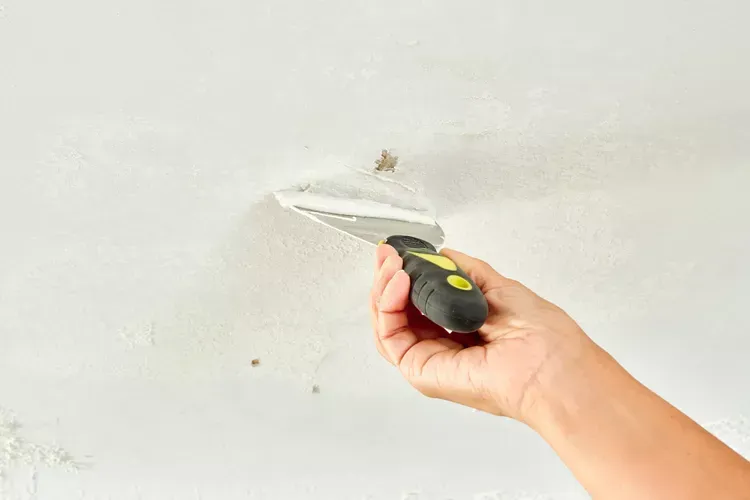
Typically, the repair involves driving a drywall screw into the stud slightly above or below the popped fastener to tighten the drywall securely against the framing. Then the old nail or screw can either be removed or driven deeper into the wall. Once the drywall is firmly attached again, the damaged area gets patched with joint compound, sanded smooth, primed, and repainted.
The good news is that most nail pop repairs are relatively small and inexpensive compared to other wall damage. The frustrating part is usually matching paint texture afterward, especially on older walls or ceilings.
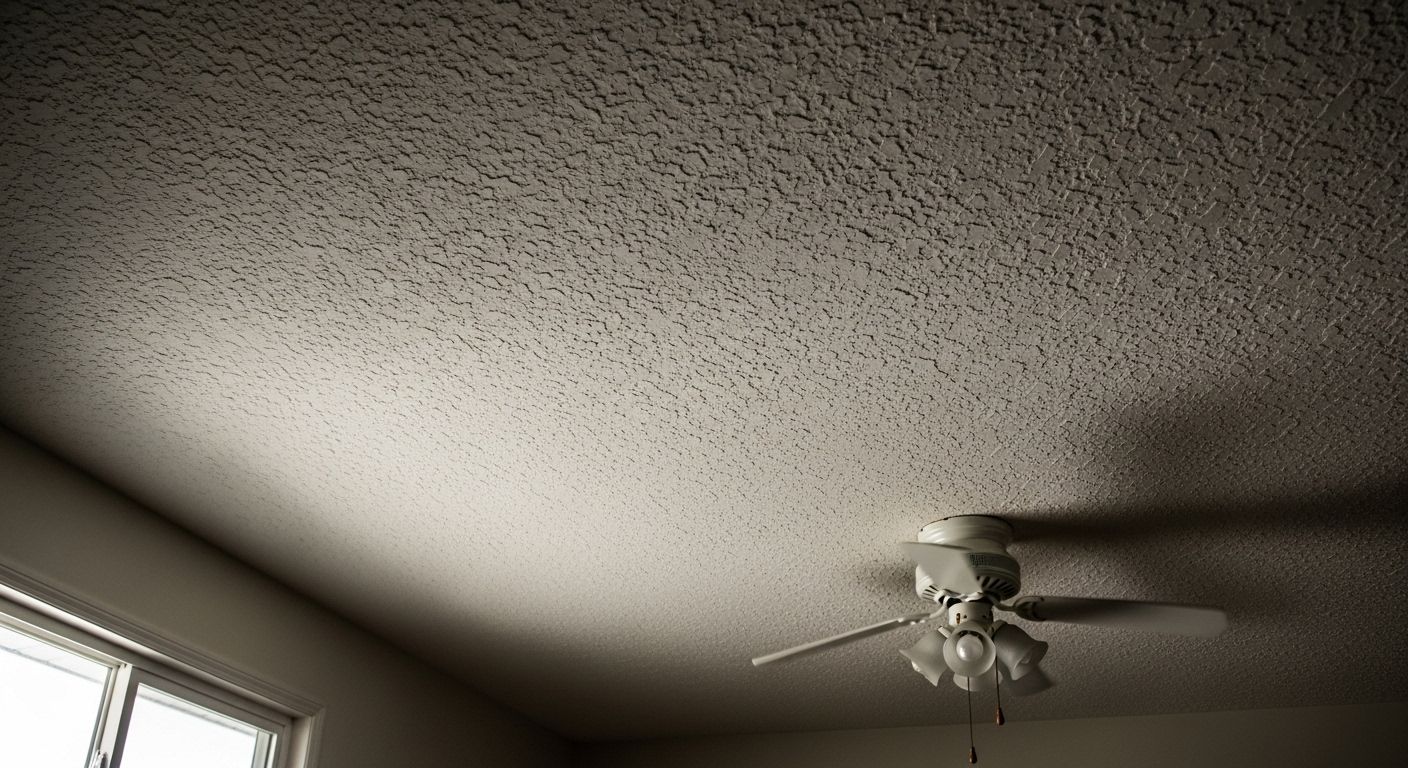
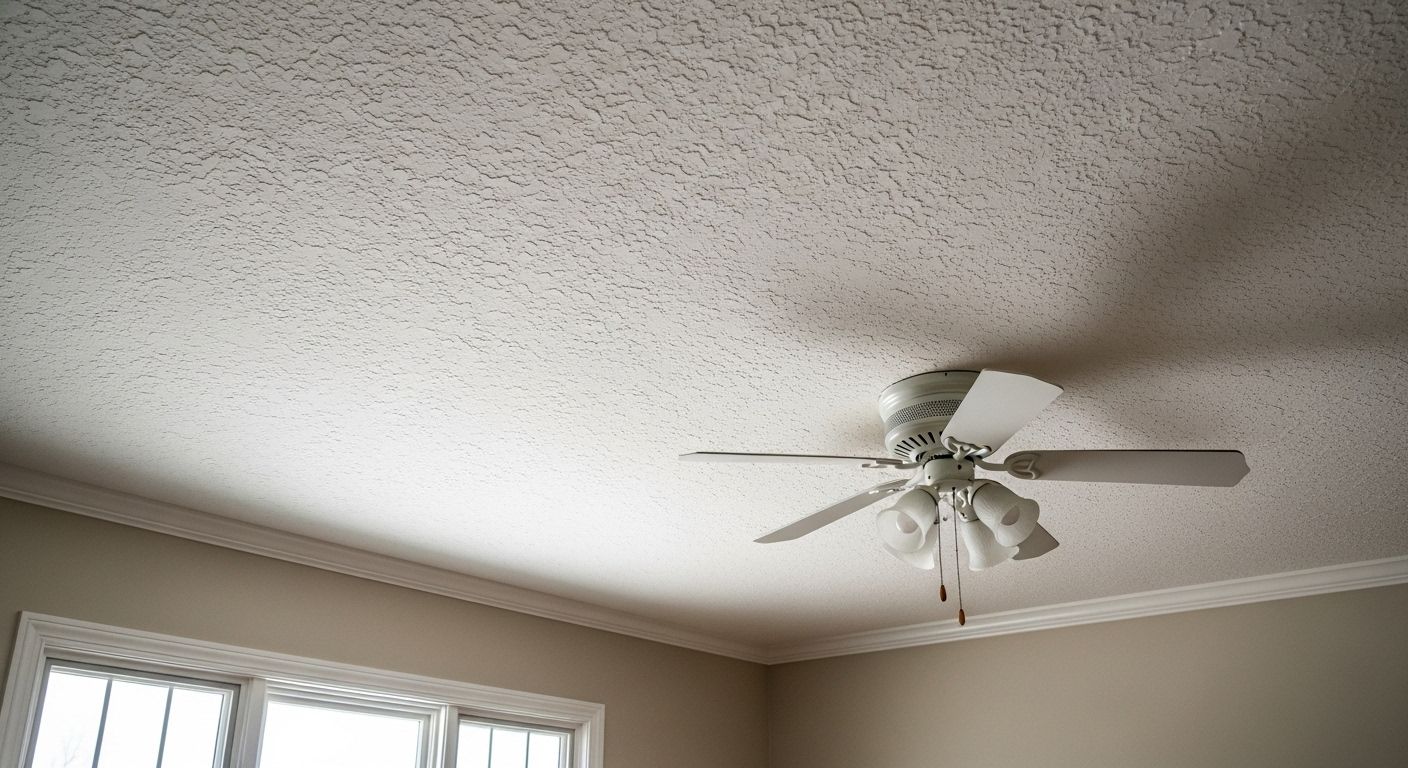
Ceiling nail pops tend to stand out more because lighting angles make every little imperfection visible. Flat paint often hides repairs better than glossy finishes for that reason.
Humidity control can help reduce future problems too. Excess moisture causes framing lumber to swell and shrink more aggressively over time. Keeping indoor humidity relatively stable reduces some of that seasonal movement.
One thing homeowners often notice is that nail pops sometimes appear repeatedly in the same area. That doesn’t necessarily mean the repair failed completely. It can simply mean the framing continues moving slightly with seasonal conditions. In older homes, small recurring cosmetic drywall issues are pretty normal.
If you’re selling a house, minor nail pops are rarely a dealbreaker. Most buyers and inspectors recognize them as common cosmetic wear unless there are signs of larger structural concerns underneath.
The reason so many people search “what causes nail pops in drywall how to fix” is because the issue feels mysterious at first. But in reality, it’s usually just the house behaving like a house. Wood moves. Foundations settle. Seasons change. Drywall responds to all of it.
At the end of the day, nail pops are more of a cosmetic nuisance than a major disaster in most cases. Once you understand why they happen and how the repair actually works, they become a lot less intimidating — and a lot easier to deal with when they eventually show up again.