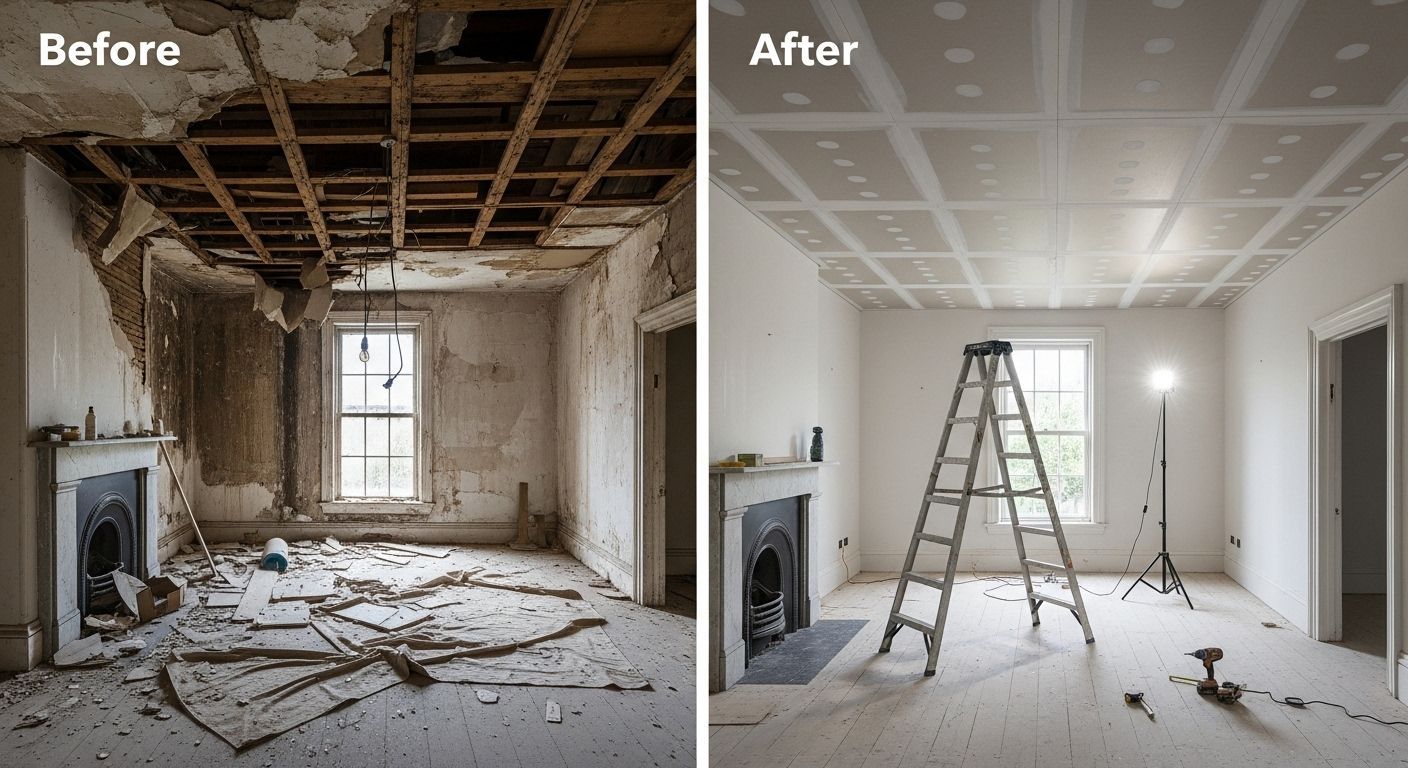
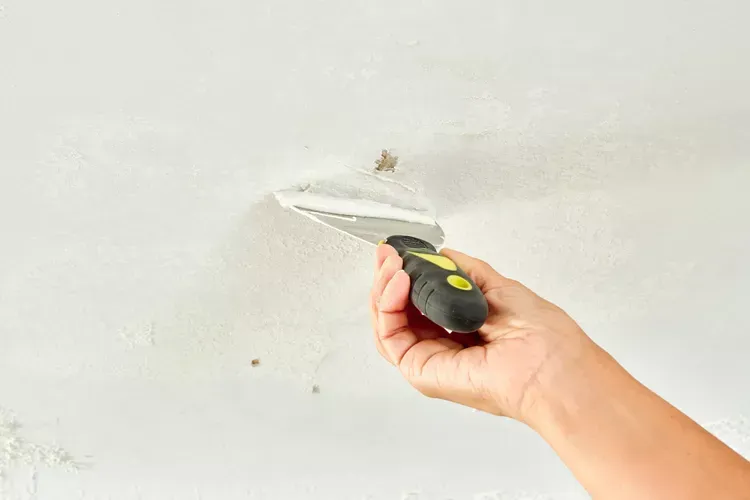
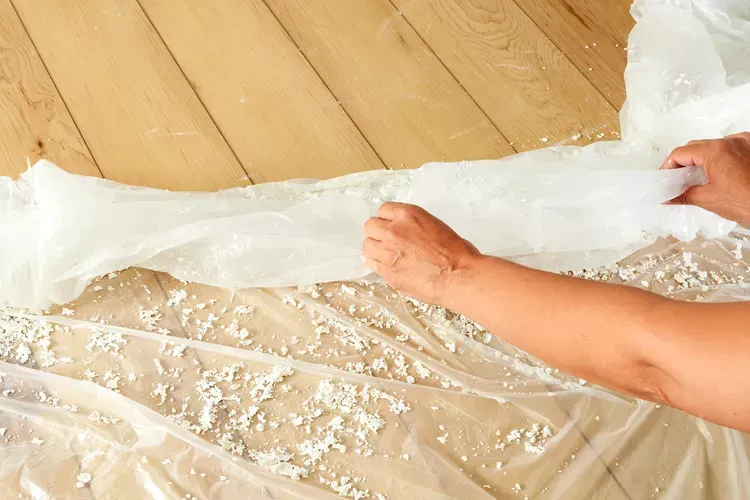
Water damage is where the skim coat vs drywall replacement decision gets more nuanced. A wall that got wet, dried out completely, and shows staining or surface bubbling but is otherwise solid can often be skim coated — prime it with a stain-blocking primer first, then skim. But drywall that got saturated, stayed wet long enough to grow mold, or has lost its structural integrity — soft spots, crumbling core, paper that peels away easily — needs to come out. Skim coating over damaged drywall is covering up a problem rather than fixing it, and it won't hold long term. If you press on a section and it feels soft or gives, or if you see any signs of mold on the surface or suspect it behind the wall, replacement is the right call.
The same principle applies to plaster walls in older homes. Plaster that's cracked at the surface but still firmly attached to the lath behind it is a good skim coat candidate — fill the cracks, apply the skim, and you have a wall that looks original and beautiful. Plaster that has separated from the lath, sounds hollow when you tap it, or is bulging in sections has experienced key failure and won't hold a skim coat properly. Those sections need to come out, and depending on how widespread the damage is, you're either patching with new drywall and feathering it in or considering a broader replacement.
Cost-wise, skim coating is almost always less expensive than replacing drywall when the square footage is significant. Drywall replacement involves demo, disposal, new materials, hanging, taping, and finishing — it's a multi-step process with multiple trades or a lot of time if you're doing it yourself. Skim coating on sound walls is essentially just labor and compound. The exception is when you're dealing with a small area of badly damaged drywall — cutting out and replacing a two-by-four-foot section is often faster and cleaner than trying to skim over damage that the compound won't bridge properly.
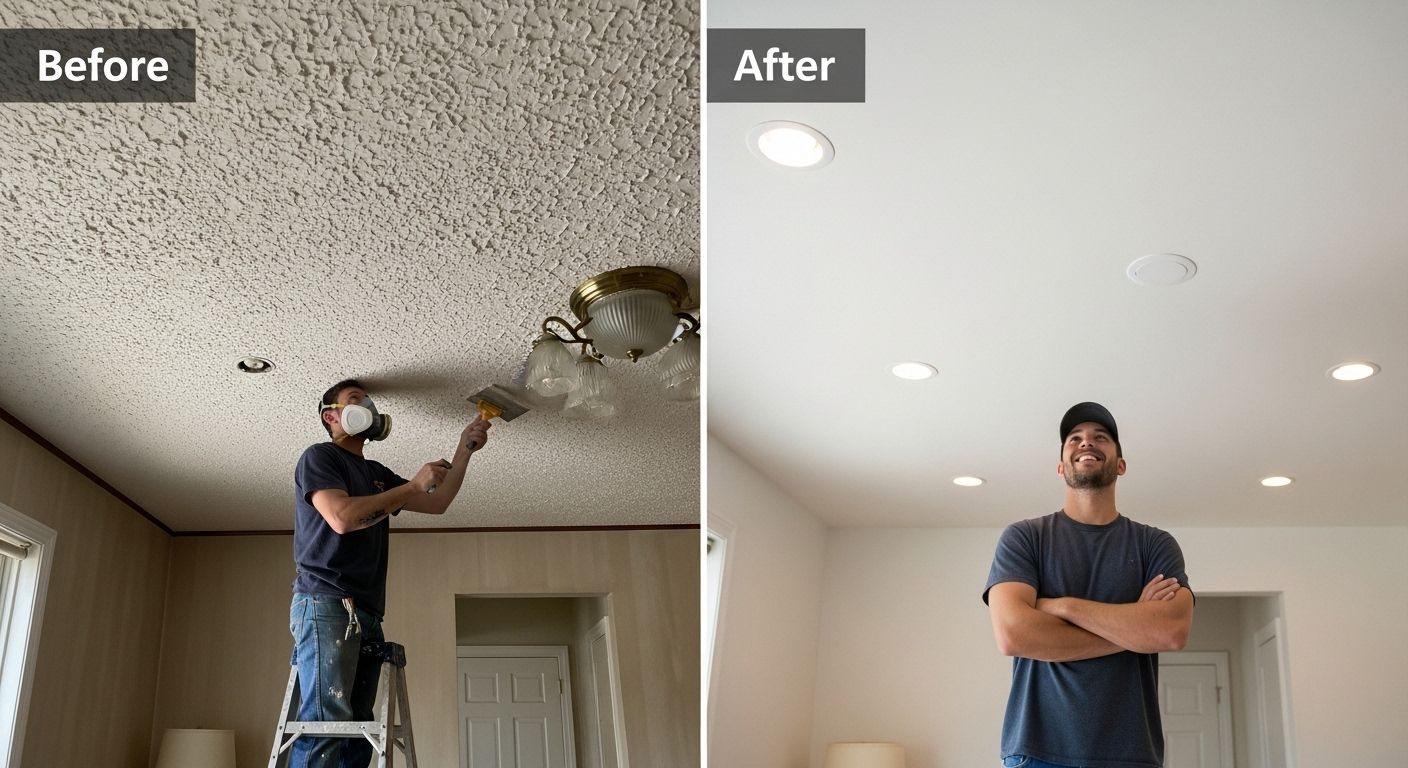
One scenario where people often choose the wrong path is after removing wallpaper. Wallpaper removal almost always damages the paper face of the drywall underneath, leaving a rough, torn surface that won't take paint cleanly. The instinct is to replace everything, but in most cases skim coating over the damaged surface is the right move — it's faster, cheaper, and produces the same result as new drywall when done properly. This is actually one of the most common reasons people end up needing a skim coat, and knowing that going in saves a lot of unnecessary demolition.
The honest answer to the skim coat vs drywall replacement question is that the wall surface is usually secondary to what's behind it. If the structure is sound, preserve it and resurface. If it's compromised — by water, mold, physical damage, or failed substrate — replace it. Getting that diagnosis right is the whole job.