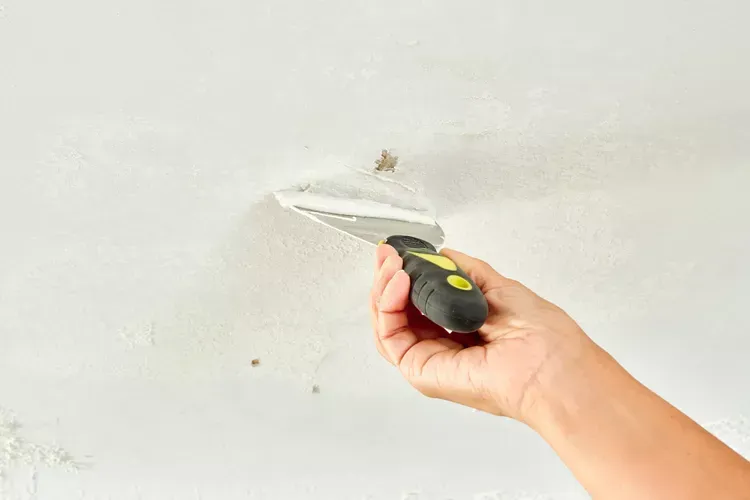
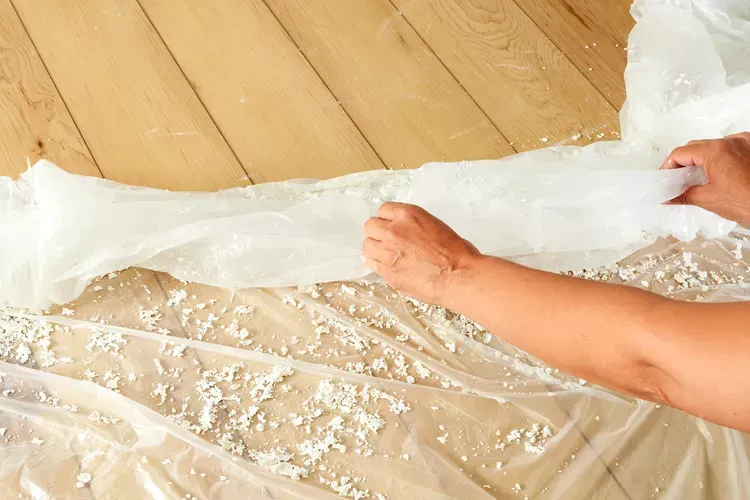
The insidious part of humidity damage is that it often looks like a cosmetic problem long before it becomes a structural one, which leads people to paint over it, re-tape the seams, and treat the symptom rather than the cause. Repainting a wall that has elevated moisture content traps moisture behind the paint film and accelerates the degradation underneath. If your paint is peeling, bubbling, or your tape is repeatedly failing in the same locations, the right question isn't how to fix the finish — it's why that area is staying wet.
Exterior walls are the highest-risk locations in hot humid climates because they sit at the intersection of outdoor humidity and indoor air conditioning. In cooling season, the interior surface of an exterior wall is cooler than the ambient air, and when warm humid air contacts that cooler surface — whether through gaps in the building envelope, inadequate vapor control, or just diffusion through the assembly — condensation occurs within or on the surface of the wall. This is the mechanism behind the chronic damp exterior walls that are so common in older construction in humid climates, and it's why air sealing and vapor management matter more than most homeowners realize.
Choosing the right materials makes a meaningful difference in how well drywall performs under humidity effects in a hot humid climate. Moisture-resistant drywall — commonly called greenboard — uses a moisture-resistant paper facing and a slightly modified core that handles incidental moisture better than standard board. It's appropriate for bathrooms and kitchens but isn't intended for continuous high-humidity exposure. For areas with serious humidity exposure, cement board or fiber cement panels are better choices — they have no paper facing and no organic content for mold to consume. In high-humidity construction, specifying paperless drywall (which uses fiberglass mat facing instead of paper) for all exterior walls is worth the modest cost premium because it removes the most vulnerable component of the assembly.
Joint compound selection matters too. Standard all-purpose compound is more moisture-sensitive than setting-type compounds, which are mixed from powder and cure through a chemical process rather than drying. Setting compounds are harder when cured, less susceptible to humidity-related softening, and worth using for finish coats in humid climates even if they're slightly less forgiving to work with.
The most effective intervention is also the least exciting one: active humidity control. A home in coastal Florida or Houston that's maintained between 45 and 55 percent relative humidity year-round through properly sized air conditioning and supplemental dehumidification will have drywall that performs close to how it would in a drier climate. The air conditioning does a lot of this work, but undersized systems, frequent door opening, and poorly sealed building envelopes can keep indoor humidity higher than the equipment can manage. Whole-home dehumidifiers plumbed to a drain are the right solution for homes that can't maintain reasonable humidity through cooling alone.
Humidity effects on drywall in a hot humid climate are manageable, but they require treating moisture control as an ongoing system rather than a one-time fix — because the climate isn't going to cooperate on its own.